I arrived in Dubai in November 2025 with a suitcase full of assumptions. Some came from books about the city, its history and its ruler, Sheikh Mohammed bin Rashid Al Maktoum. Others came from years of television images: glittering towers, extreme wealth, reports of harsh working conditions – and a lingering suspicion that all of it was a stage set.
I came as a sceptic. I wanted to see for myself.
I was not there on assignment. I came out of intellectual curiosity: I wanted to find out how what I had read related to everyday life in a city whose extraordinary development had long fascinated me.
That curiosity is part of who I am. I have always enjoyed meeting people, listening to their stories and learning how they live, what they hope for and what they have achieved. I take genuine pleasure in seeing others succeed, especially those who have overcome difficult circumstances to build better lives for themselves and their families. For me, talking to people is not a research method. It is how I make sense of the world.
Living the roles everyone lives
What I had not expected was how quickly the theory would give way to everyday life. Like everyone else in Dubai, I found myself taking on several roles at once. I was a foreigner, as most people in this city are. I was a consumer, buying, travelling, eating out, using public services. And I was a visitor trying to understand how a place works.
In each of these roles, day after day, I felt at ease. Then I felt even better. That surprised me. At my age, and after a life full of experiences in different countries, I have learned to distrust surprises that are too pleasant. So I decided to test my own impression.
Asking the people who keep the city running
No one spoke badly of it
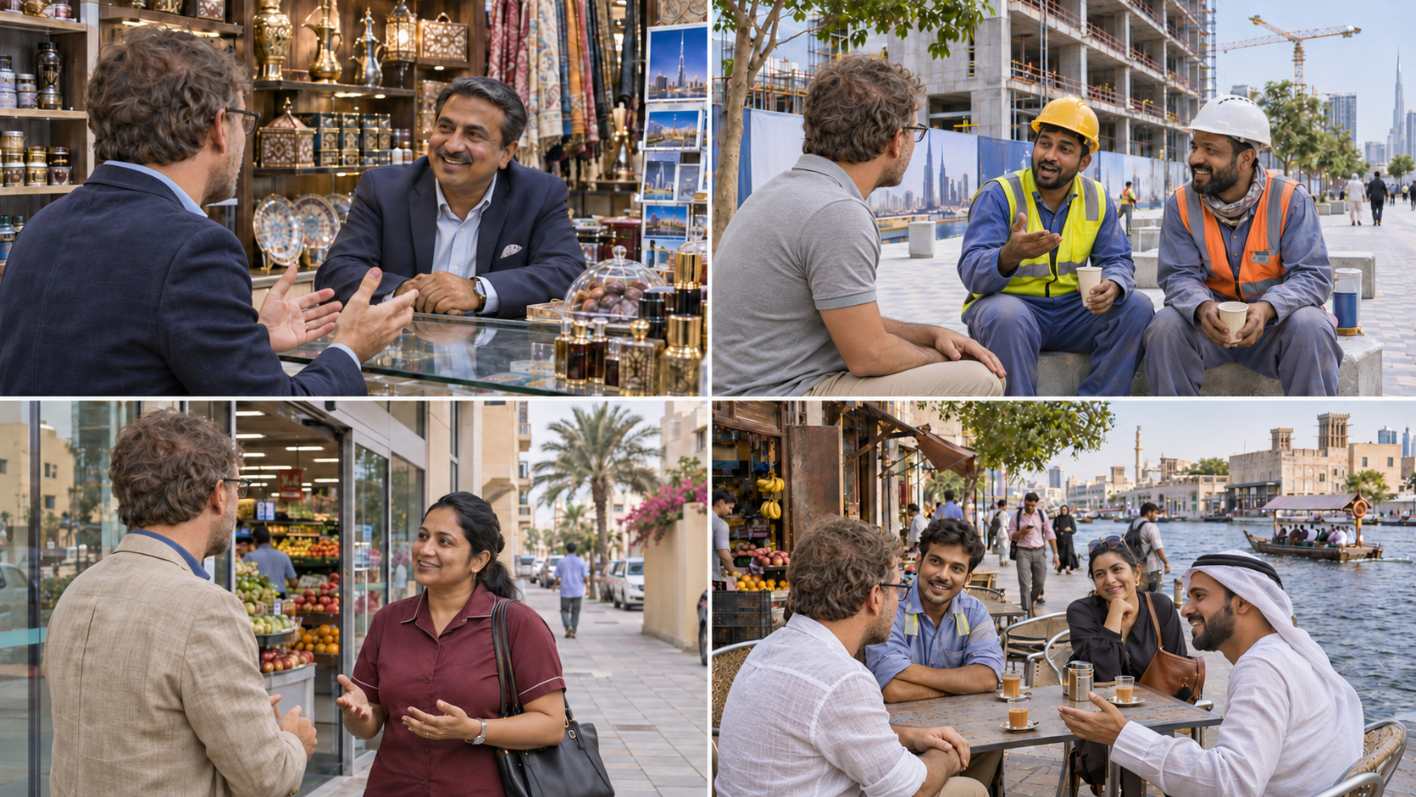
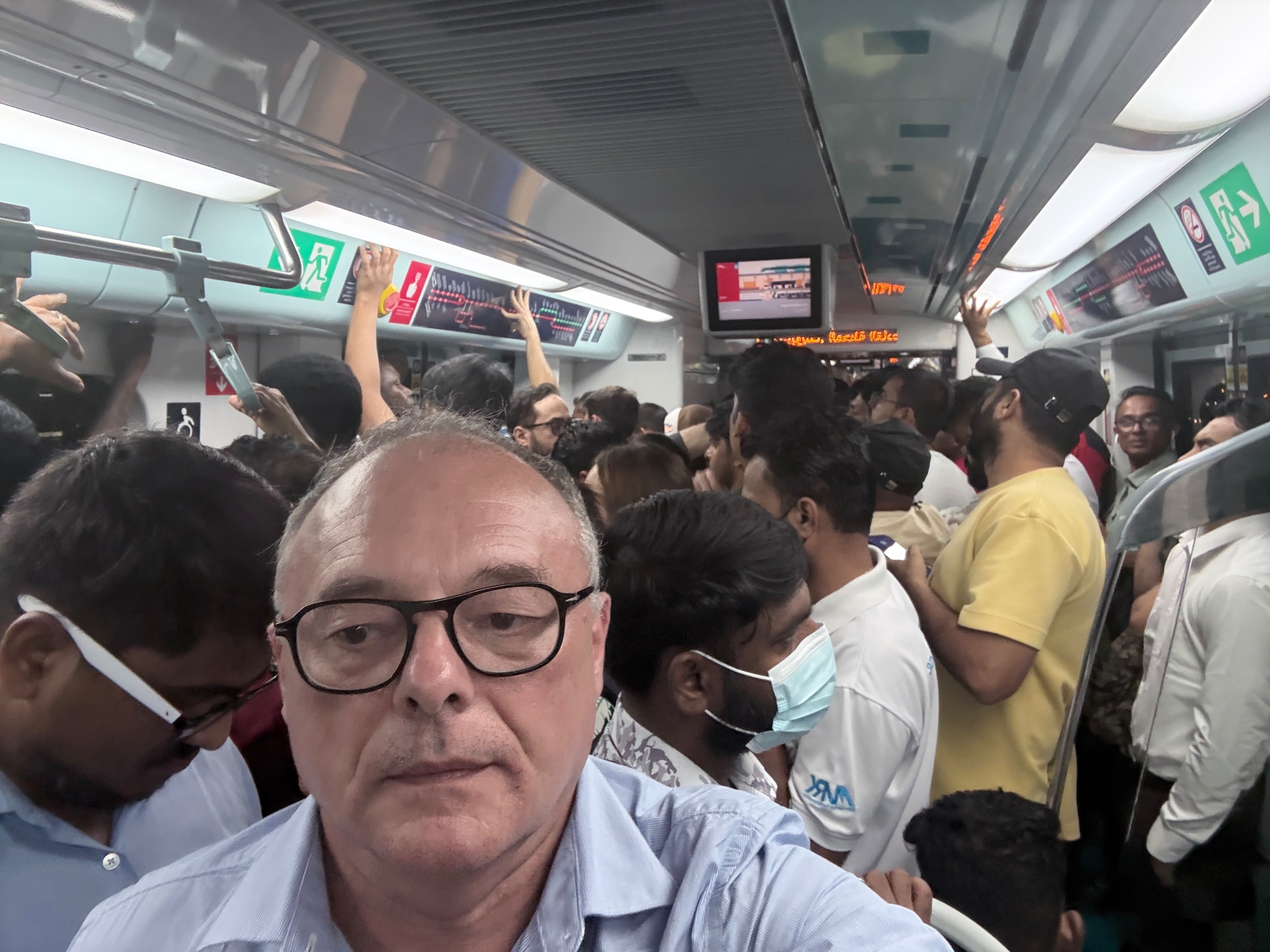
Every day, I took the chance to talk with people who live and work in Dubai: the security guard on the Business Bay waterfront, the young man cleaning the public toilets, construction workers, bus and taxi drivers, café and restaurant staff, store managers in shopping centres across the city, real estate agents, and passengers standing next to me on the metro. I also spoke with other tourists like myself.
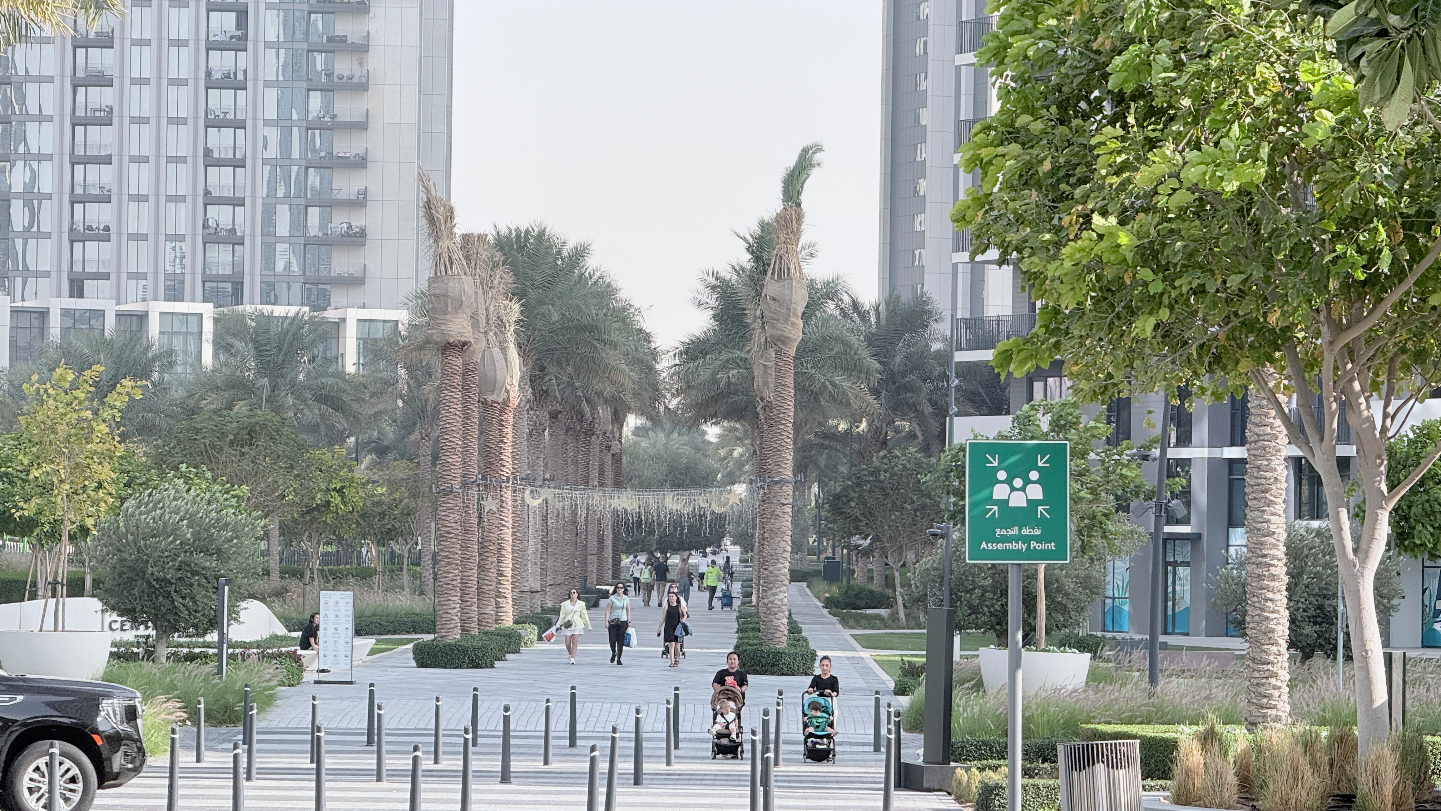
I did not limit myself to Dubai’s polished districts. I had similar conversations in Deira and Bur Dubai, in the older, busier parts of the city, where everyday life is less carefully curated and many of the people I spoke with had considerably more modest financial means than those frequenting the luxury districts.
But I did not simply approach strangers and ask whether they liked Dubai. I first told them something about myself.
I explained that I was Brazilian, that I had lived in Germany for decades, and that, in my experience, people with foreign backgrounds can face considerable barriers to social advancement there. I spoke about how difficult it can be to move beyond the lower levels of the labour market, even with education and professional qualifications, and about the influence that notions of German national and cultural identity can have on a person's opportunities and sense of belonging.
Only then did I turn the conversation towards Dubai. Did they experience similar barriers here? Did their nationality, cultural background or social origins prevent them from progressing? Did they believe they had a genuine opportunity to build a better future?
Sharing my own experiences changed the conversations. They became more personal, more open, and often much longer than I had expected. I was no longer simply a tourist asking questions about a foreign city. I was another foreigner, trying to understand how people from different parts of the world experienced opportunity, belonging and the possibility of improving their lives.
I wanted to know two things. Was I an exception in being so taken with Dubai? And how did the people who lived and worked here evaluate their own lives, particularly in comparison with the opportunities they had known in their countries of origin?
It is hard to believe, and I hesitated before writing it down: not a single person I spoke with expressed a negative overall judgement of Dubai.
I am aware that people may be careful when speaking to someone they have only just met. I cannot know whether every person felt entirely free to express criticism. But these were not brief exchanges built around a single question. We spoke about personal histories, families, work, expectations and the reasons people had decided to come to Dubai.
Their answers differed in detail, in tone and in language, but a recurring theme emerged: the possibility of building a better life.
Some told me about relatives who had arrived years earlier with very little, initially living in basic accommodation for workers. Over time, their circumstances had improved considerably. These were not merely stories about what someone hoped to achieve in the future. They were accounts of changes that, according to my conversation partners, had already taken place within their own families.
Others compared their present circumstances with the difficulties they or their relatives had faced in their home countries, where poverty, limited opportunities and entrenched social hierarchies had made advancement exceptionally difficult.
What mattered to them was not whether Dubai offered a perfect life. It was whether living and working here gave them opportunities they believed would have been far harder to obtain elsewhere.
These conversations did not amount to a representative survey of Dubai's population. Nor could they establish that everyone who comes here succeeds. But they offered something that statistics and distant commentary cannot always capture: the perspectives of people who judge a society against the lives they might otherwise have lived.
A place where dreams are allowed to become real
That was the moment my scepticism began to turn.
Much of the criticism I had encountered before travelling focused on the difficult conditions faced by migrant workers. Such conditions deserve scrutiny wherever they occur. But the conversations raised another question that I had rarely seen explored with the same attention: how do the people concerned evaluate their own opportunities, their progress and the alternatives available to them?
For someone arriving from a country where poverty and social hierarchies can severely restrict life's possibilities, Dubai may represent something very different from what a European visitor initially imagines.
India, for example, has a long history of caste-based social divisions. Dubai does not organise its society around that same caste system, although differences in income, occupation, nationality and legal status can still shape people's opportunities. What interested me was whether those who had encountered social barriers elsewhere experienced Dubai as a place where at least some of those barriers could be overcome.
The family histories I heard suggested that, for some, this was more than an aspiration.
That distinction matters. A person who has moved from precarious circumstances to greater financial stability, who can support relatives or offer children opportunities that once seemed unattainable, may evaluate Dubai very differently from someone looking at the city through the windows of a luxury hotel.
I began to understand why the city inspired such confidence among many of the people I met.
A stage set can impress a tourist for a few days. But the stories of families whose lives had changed over years suggested something more substantial than a carefully constructed image. They pointed towards a city in which economic opportunity had become a lived reality for at least some of those who had arrived with very little.
This did not mean that every dream would come true or that difficult working conditions did not exist. It meant that the image of Dubai as nothing more than an artificial showcase no longer corresponded to what I was discovering.
A philosophy visible in everyday life
The more I observed, the more I began to recognise a connection between what I was experiencing and the philosophy of leadership associated with Sheikh Mohammed bin Rashid Al Maktoum, whose foundations reach back through his father, Sheikh Rashid, and his grandfather, Sheikh Saeed.
I had read about this philosophy before arriving. But reading about a vision and experiencing what appears to be its influence on everyday life are two very different things.
I began to perceive an emphasis on progress, practical results, ambition and the belief that tomorrow should offer more possibilities than yesterday. These ideas seemed to find expression not only in Dubai's buildings, infrastructure and public services, but also in the expectations of people who had chosen to make the city their home.
What struck me as well was how little cultural difference seemed to obstruct my own encounters. Over those two weeks, I spoke with people from many countries, cultures and religions. I did not encounter the cultural barriers I had expected, and that contrast with experiences I had known elsewhere left a particularly strong impression on me.
I do not suggest that two weeks of observation can establish how an entire society functions, much less explain the full relationship between political leadership and social development. That is a much larger subject, one that deserves a more systematic examination.
But I had begun to sense something that went beyond modern architecture or efficient services: a philosophy that many people appeared to live by without necessarily knowing how to describe it.
Why two weeks were not enough
I left Dubai after those first two weeks with more questions than I had arrived with, but they were different questions.
I no longer asked whether the city was real or merely an impressive façade. The experiences and conversations had given me compelling reasons to believe that something substantial stood behind its extraordinary development.
Now I wanted to understand it more deeply.
How had Dubai created an environment in which people from so many different backgrounds could imagine building a future? What distinguished its approach from societies where social origins, inherited hierarchies or cultural barriers could make advancement so difficult? And how closely did the philosophy I had begun to recognise correspond to the everyday experiences of those who lived and worked there?
Above all, would my first impressions survive a longer stay and closer observation?
Two weeks had not been enough to answer those questions.
That is why I returned in February 2026 for five more weeks.